U.S. Cannabis Testing Market Overview
The U.S. cannabis testing market has witnessed strong growth over the past decade and is expected to expand steadily in the coming years. Estimates suggest the market was valued at approximately USD 1.5 billion in 2024 and could reach USD 4.5 billion by 2034, growing at a CAGR of around 11.5%.
Other projections indicate the cannabis testing services segment alone may grow from USD 997 million in 2025 to over USD 1.6 billion by 2033, reflecting consistent demand across legal markets.
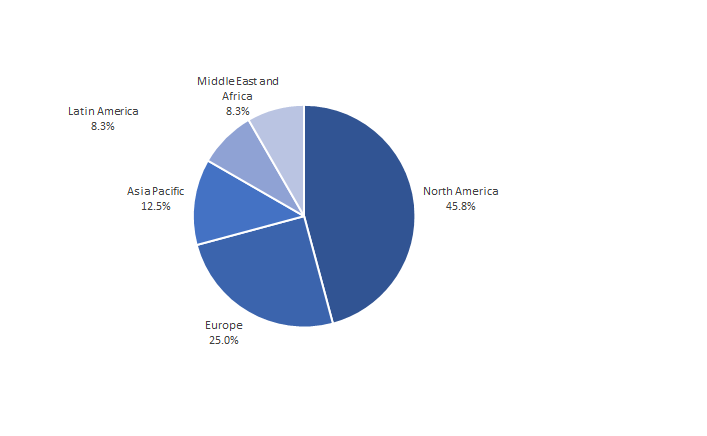
North America, led by the United States, dominates the global cannabis testing industry, accounting for over 60% of total market share, highlighting the region’s regulatory maturity and commercialization.
What is Cannabis Testing?
Cannabis testing involves laboratory analysis of cannabis products—such as flowers, edibles, oils, and concentrates—to determine their chemical composition and safety. Testing typically includes:
-
Potency testing (THC, CBD levels)
-
Terpene profiling
-
Pesticide screening
-
Heavy metal testing
-
Residual solvent analysis
-
Microbial contamination detection
Advanced analytical techniques such as chromatography and mass spectrometry are widely used to ensure accurate results and regulatory compliance.
Key Market Drivers
1. Increasing Legalization of Cannabis
The expansion of medical and recreational cannabis legalization across U.S. states is the primary growth driver. Each legalized state mandates strict testing requirements before products reach consumers, creating sustained demand for testing services.
2. Rising Consumer Awareness
Modern cannabis consumers demand transparency regarding product quality, potency, and safety. This has increased reliance on certified laboratory testing and accurate product labeling.
3. Regulatory Compliance Requirements
State-level regulations require cannabis producers to test every batch for contaminants and potency. Compliance is mandatory for market entry, making testing a non-negotiable step in the supply chain.
4. Growth in Cannabis Production
The rapid increase in licensed cultivators, manufacturers, and dispensaries has significantly boosted testing volumes. Sample testing volumes in the U.S. have grown sharply, reflecting increased industry activity.
Market Segmentation
By Testing Type
-
Potency Testing (Largest segment)
-
Cannabinoid Testing
-
Terpene Profiling
-
Contaminant Testing
Potency testing dominates due to its role in validating THC/CBD levels for labeling and consumer safety.
By End-User
-
Cannabis cultivators (largest share)
-
Manufacturers/processors
-
Testing laboratories
-
Regulatory bodies
Cultivators account for the largest share, as they must test products before distribution.
Key Trends in the U.S. Cannabis Testing Market
1. Technological Advancements
Laboratories are increasingly adopting automated systems, AI-driven analytics, and high-precision instruments to improve testing accuracy and throughput.
2. Consolidation of Testing Labs
The market is witnessing consolidation, with large analytical companies acquiring smaller labs to expand geographic reach and capabilities.
3. Standardization Efforts
There is growing momentum toward standardizing testing protocols to ensure consistency across states, although progress remains gradual.
4. Expansion of Hemp-Derived Product Testing
The rise of hemp-derived cannabinoids (e.g., Delta-8 THC) has created new testing demands, especially in emerging product categories like beverages and edibles.
Challenges and Restraints
1. Fragmented Regulatory Landscape
The U.S. cannabis testing market operates under a state-by-state regulatory framework, leading to inconsistent standards, testing protocols, and compliance requirements.
2. Lack of Federal Legalization
Cannabis remains federally illegal, limiting interstate operations for testing laboratories and preventing uniform national standards.
3. Capacity Constraints
In some states, limited lab infrastructure creates bottlenecks, delaying product approvals and market entry.
4. Data Integrity and “Lab Shopping”
Concerns around inconsistent test results and practices such as “lab shopping” (choosing labs that provide favorable results) pose risks to market credibility and consumer safety.
Competitive Landscape
Key players in the U.S. cannabis testing market include:
-
Eurofins Scientific
-
SGS SA
-
Steep Hill Inc.
-
Botanacor Laboratories
-
Green Leaf Lab
These companies compete on factors such as accuracy, turnaround time, regulatory expertise, and geographic presence.
Future Outlook
The future of the U.S. cannabis testing market remains highly promising, supported by:
-
Continued legalization across additional states
-
Increasing federal reform discussions
-
Growing demand for high-quality, safe cannabis products
-
Expansion into pharmaceutical and wellness applications
By 2032–2034, the market is expected to surpass USD 4–5 billion, with strong double-digit growth rates driven by regulatory expansion and technological innovation.
Latest Market Updates In Chemicals
Support this report with fresh, same-industry updates that strengthen topical depth and internal linking.